
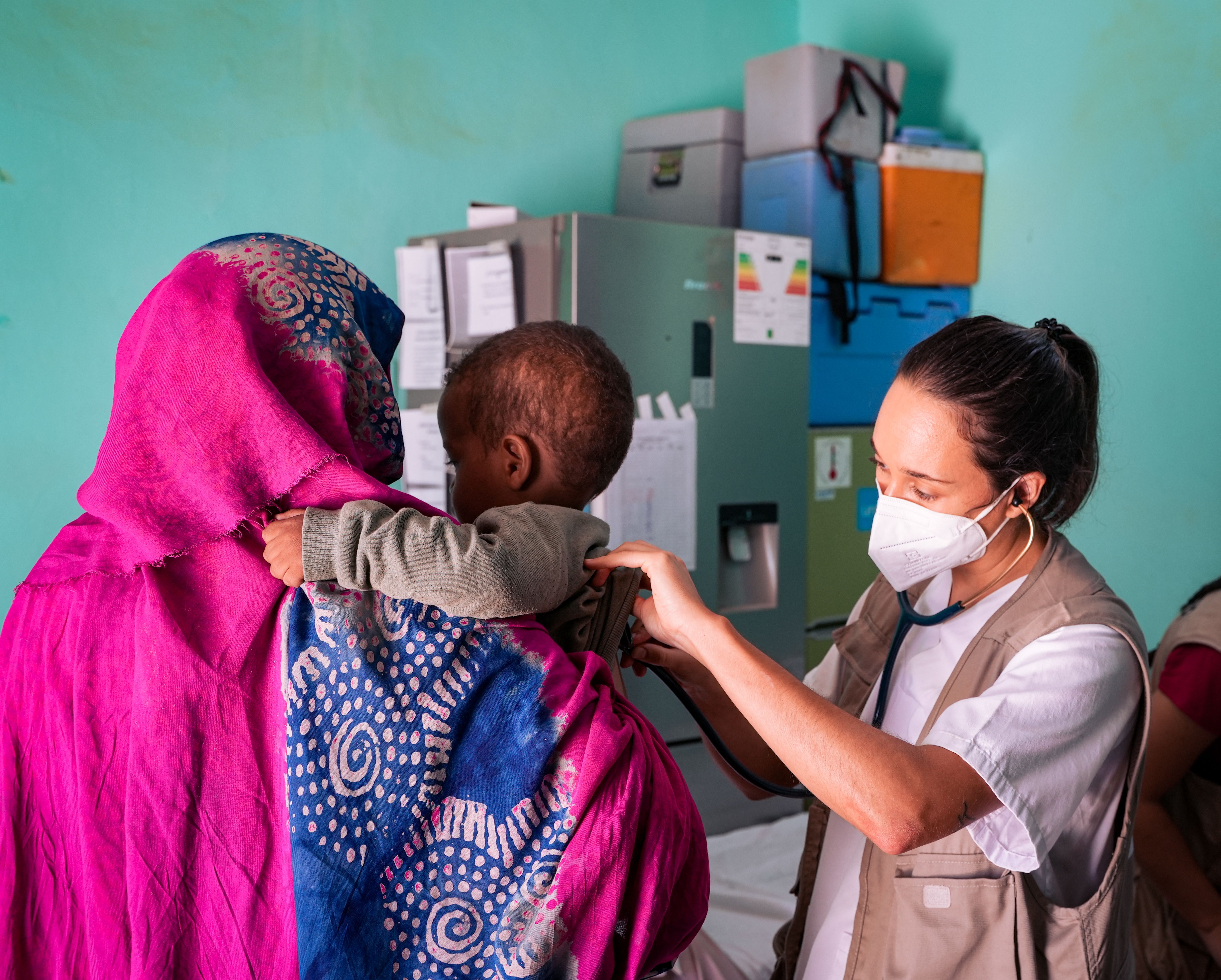
Tuberculosis (TB) still remains to be a global health threat and a major player in childhood and adolescent mortality. According to a recent study,1.9 million children and adolescents worldwide are diagnosed with TB each year, yet research funding for this vulnerable population remains critically underfunded.
This study by a team of researchers from UoN titled “Tuberculosis research principles and priorities in children and adolescents: an international consensus statement,” found out that TB continues to be a leading cause of death in children under five, with over 95% of deaths occurring in those who never received treatment. This alarming statistic highlights a systemic failure in detecting and treating the disease in children and adolescents.
The World Health Organization's End TB Strategy emphasizes the need for increased research in TB but according to this study, there exists a significant gap in studies focusing on pediatric and adolescent tuberculosis. According to WHO, less than 10% of all tuberculosis research funding between 2005 and 2023 has been allocated to studies involving children and adolescents. This means that most new diagnostic tools and treatment programs are developed and tested mostly on adults, with younger populations neglected.
Several factors contribute to this disparity in TB research, control, diagnosis and treatment. Children are not prioritized in TB research and control strategies as they are often seen as less infectious than adults. Furthermore, the reliance on microbiological confirmation for study inclusion excludes many children due to difficulties in specimen collection.
This study also found out that legal complexities surrounding consent for minors and the perception of children as vulnerable groups also pose challenges, often leading to their exclusion from crucial research. According to this study, this exclusion causes more harm by limiting the evidence needed to inform effective policies and management strategies of TB in the long run.
To address this crisis, this study identified a set of research priorities. According to this study, investing in research and diagnostic tools for adolescents and children is vital for improving early detection, developing shorter and safer treatment regimens, and TB control measures.
Implementation research is also crucial to enhance access to effective TB interventions, especially in resource-limited settings where children and adolescents are often unable to benefit from existing tools. Additionally, understanding and addressing the long-term disabilities caused by TB in young individuals is paramount.
The study stresses the importance of including children and adolescents in TB research as this inclusion is essential in reducing childhood and adolescent mortality and the global burden of TB.
- Log in to post comments


