
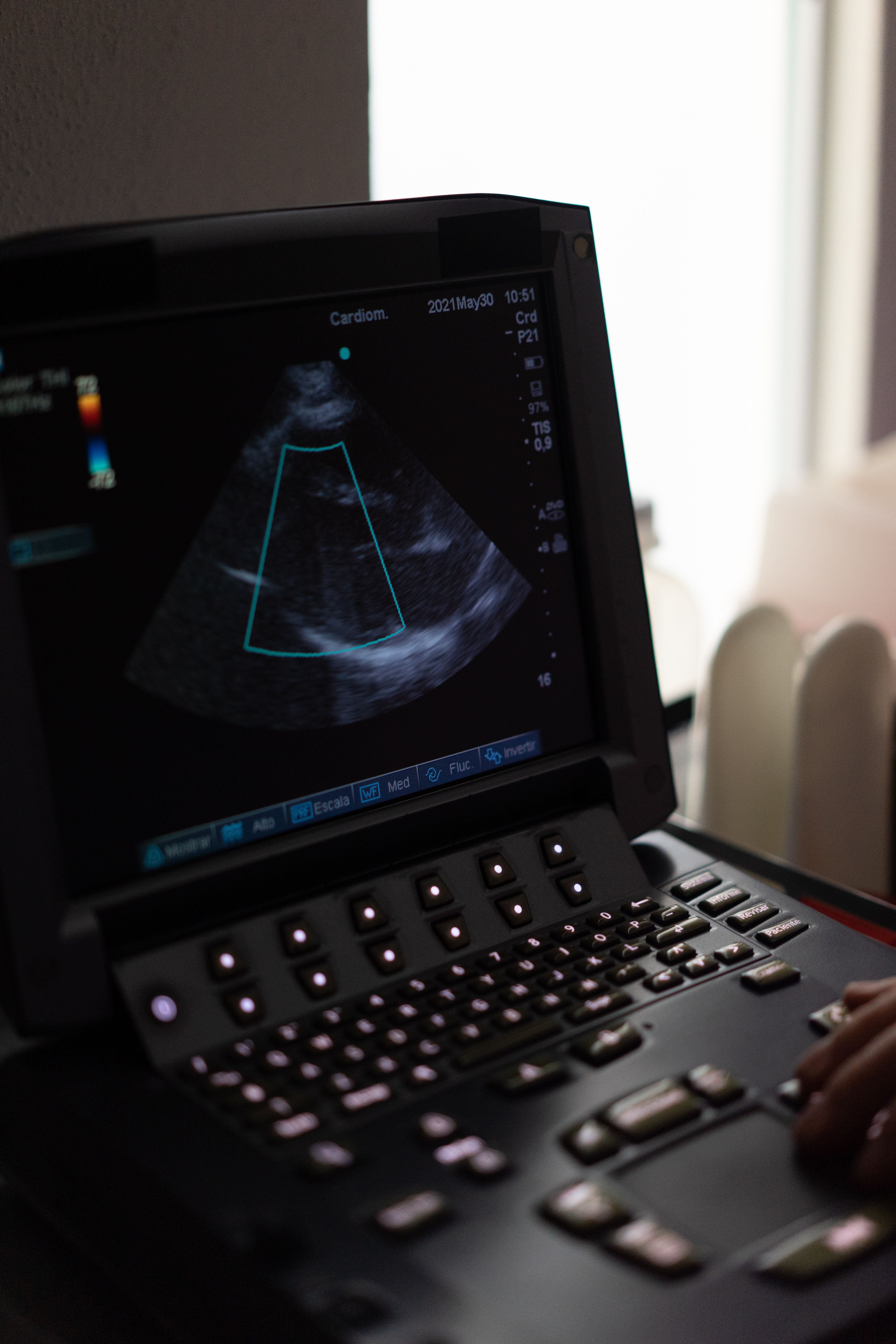
Pre-eclampsia, which is a serious pregnancy complication, continues to be a leading cause of maternal death worldwide, with over 90% occurring in low- and middle-income countries (LMICs). A critical component in managing and preventing pre-eclampsia is accurate gestational age assessment, a vital process that has been affected by limited access to ultrasound technology in many of these regions.
Researchers from the University of Nairobi have proposed an initiative to improving maternal care through validation and implementation of an Artificial Intelligence (AI)-based algorithm designed to estimate gestational age. According to their study titled “Protocol for a prospective accuracy study on an artificial intelligence-based ultrasound system for gestational age estimation among pregnant women in Ghana, Kenya and South Africa,” this initiative, part of the "Preventing pre-eclampsia: Evaluating AspiRin Low-dose regimens following risk Screening" (PEARLS) trial, aims to address the persistent challenge of accessing ultrasound-based dating, a crucial component for accurate risk screening of pre-eclampsia.
According to this study, implementation of AI in this vital process is a significant step towards improving maternal healthcare in low- and middle-income countries as the World Health Organization recommends regular antenatal ultrasounds, but many facilities in these regions lack the necessary equipment and trained personnel to provide this crucial health care intervention.
The AI-driven system offers a potential solution by enabling healthcare workers with minimal training to perform gestational age estimations. This could dramatically improve access to vital information, facilitating timely interventions like the initiation of low-dose aspirin for women at risk of pre-eclampsia, ideally before 20 weeks of gestation.
The development of portable, handheld ultrasound devices, coupled with sophisticated AI algorithms, represents a major step forward in maternal health. These technologies can be more easily transported and utilized in diverse clinical settings, potentially combating barriers to quality antenatal care. If validated, this AI-based approach would help improve the prevention and management of pre-eclampsia and create opportunities to further AI-driven ultrasound applications in fetal health monitoring and the prediction of other pregnancy complications.
- Log in to post comments


