
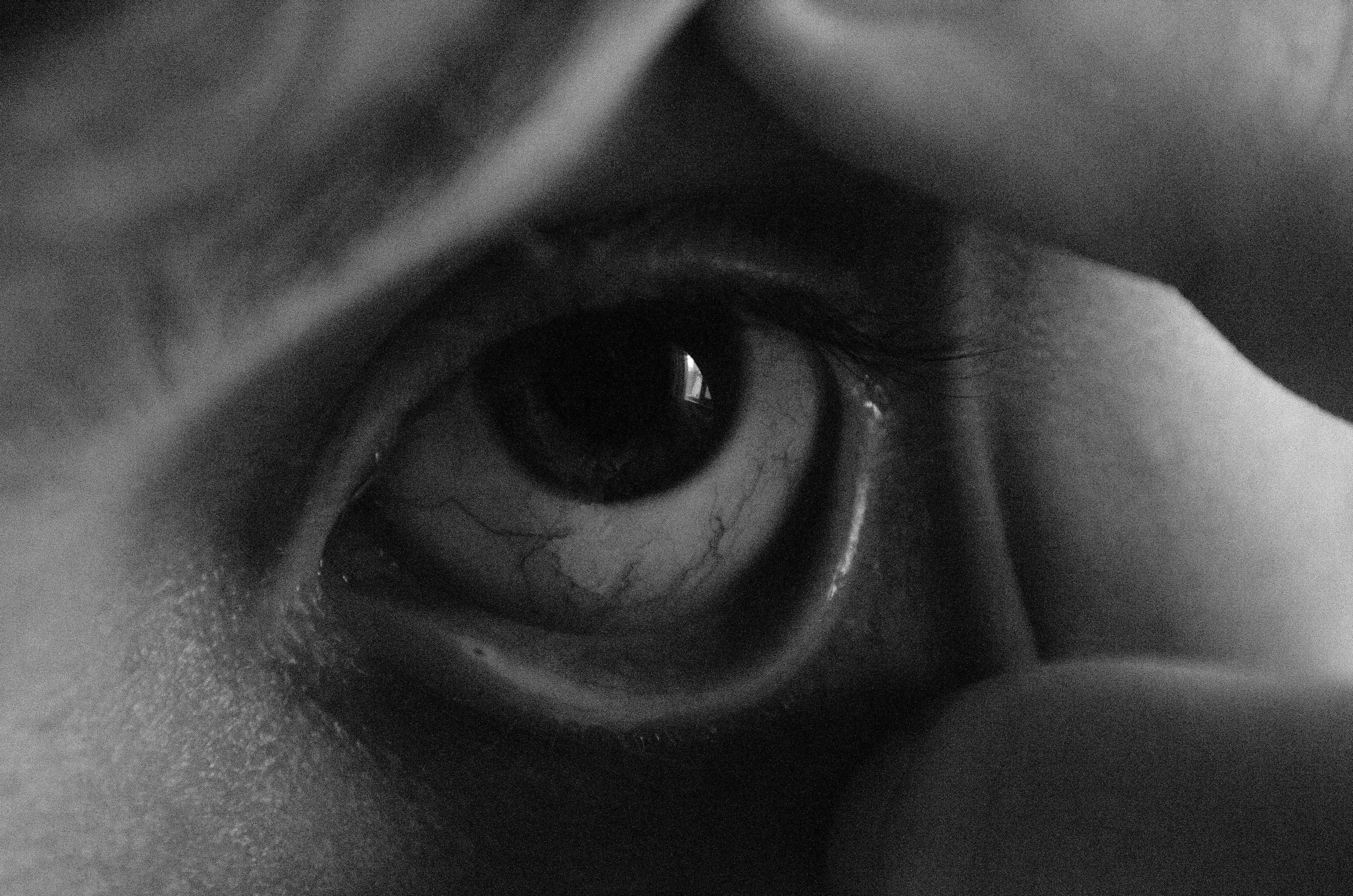
Dry Eye Disease (DED) is a significant public health concern not only Kenya but on a global reach and this calls for stringent measures to be taken to manage and treat it.
According to a recent study by team from University of Nairobi, the level of awareness on DED needs to be raised across the generations and professions. Through the study titled “Ocular surface disorders in Sub-Saharan Africa: Challenges and call for action,” DED is a part of a broader category of Ocular Surface Disorders (OSDs) that affect the cornea, conjunctiva, eyelids, and tear film.
Common symptoms include discomfort, burning, grittiness, and watering eyes, though some experience dryness or redness.
OSDs can severely impact vision, quality of life, and productivity, potentially leading to blindness or eye loss in extreme cases. DED specifically affects daily activities like reading, using digital devices, and driving, thus impacting professional life. It's also linked to depression and sleep disturbances
Several factors contribute to OSDs, including age, gender, and menopause. In Africa, environmental conditions like desertification, wind, heat, dust, and intense sunlight are major drivers of prevalence of this silent disease.
Modern lifestyles, such as increased air conditioning use and screen time, also heighten vulnerability to DED. The growing popularity of motorcycles in Africa which exposes riders to more wind and dust was also found to be another factor.
Other contributing factors include health conditions like diabetes and HIV, and medications for glaucoma, allergies, and other systemic issues.
Managing DED involves early diagnosis, appropriate treatment, and addressing contributing factors.
Treatments include eyelid hygiene, artificial tears, viscosity-enhancing agents, osmoprotectants, vitamins, preservative-free drops, and anti-inflammatory medications. Lifestyle and environmental modifications are also crucial to prevent and manage the disease.
According to this study DED, which is a growing public health issue in Africa, requires fast action including raising public awareness, increasing health education, and advocating for DED medications to be included in national essential drug lists are vital steps.
- Log in to post comments


