
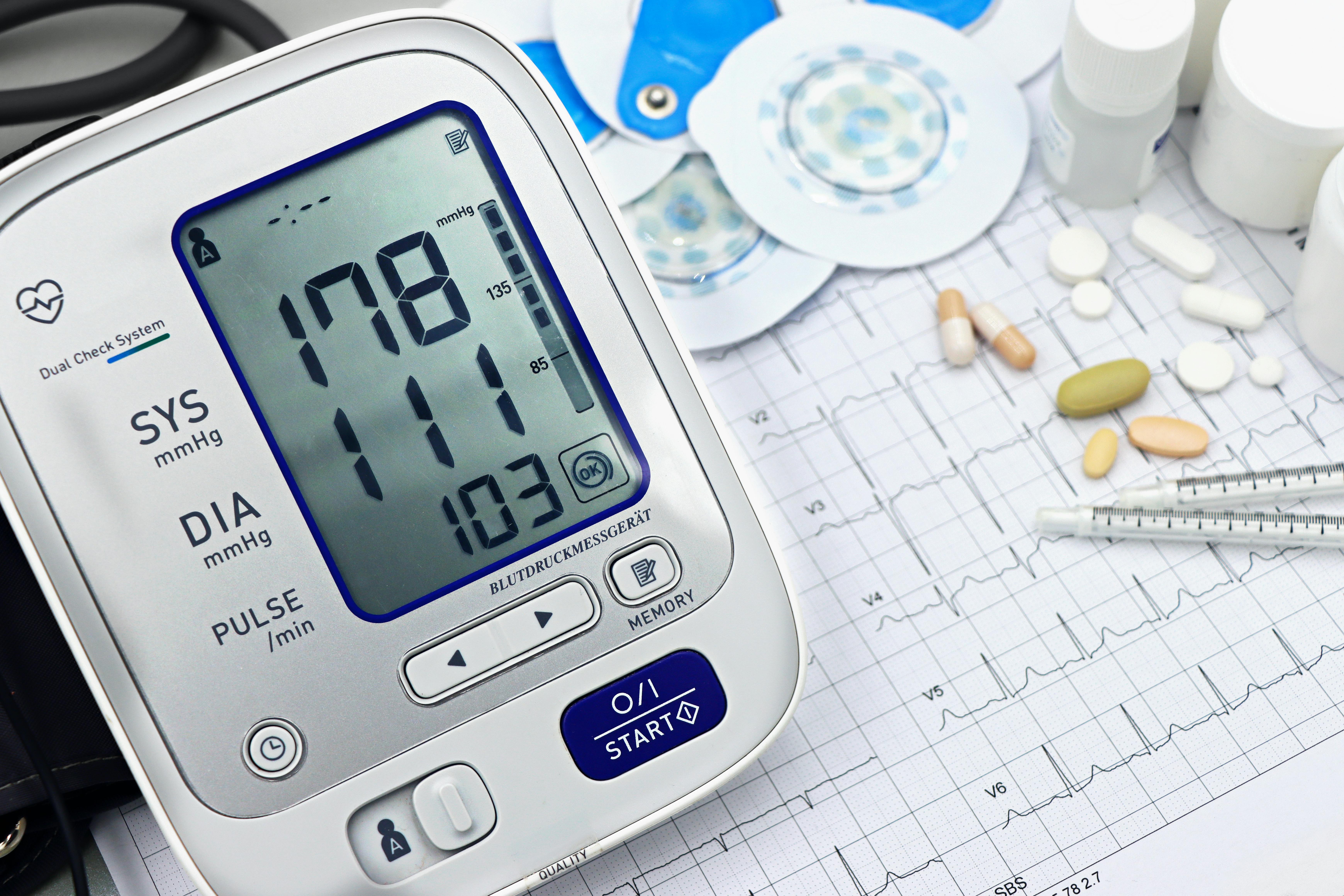
A new study from the University of Nairobi is sounding the alarm, calling for innovative and comprehensive approaches to tackle the growing crisis of Cardiometabolic diseases (CMD) in low- and middle-income countries. The research highlights the urgent need to adapt and streamline healthcare models, especially in the wake of the COVID-19 pandemic, to effectively prevent and manage conditions like heart disease, diabetes, and high blood pressure.
According to this study titled “Development of a collaborative chronic care model for management of cardiometabolic disease in low- and middle-income countries,” addressing CMD necessitates a multifaceted approach.
This necessity is vital since CMDs are a huge global health problem but especially in low- and middle-income countries. Cardiovascular diseases alone cause about 179 million deaths annually, making up nearly a third of all deaths globally. Three quarters of global CVD deaths occur in low-and-middle-income countries and CMDs account for approximately 35 percent of deaths in the Sub-Saharan Africa region.
According to this study, the rise of these CMDs in the region is driven by a mix of environmental, social, political, and commercial factors.
These interconnected factors include: urban lifestyles characterized by less exercise and more calorie-dense food, high smoking rates, an aging population, underfunded healthcare systems prioritizing infectious diseases like TB and Malaria, leading to limited access to essential screenings, education, and self-management support. Complex societal beliefs is also a major driver.
This coupled with Africa having the lowest levels of awareness, treatment and control of these diseases rings alarm for change in health care approach.
This study aimed to develop and pilot a patient-centered model of health care for CMD management, integrating key principles from the Chronic Care Model (CCM) and Collaborative Care Model (CoCM) to assess if it could work and be scaled up in countries with fewer resources. The principles include strategies for individual patient care, improving health systems, community involvement, and broad public health prevention.
According to the study while the formulation of new models is a crucial step, the study underscores the need for further rigorous research to evaluate the model effectiveness in relation to improving patient outcomes.
- Log in to post comments


