
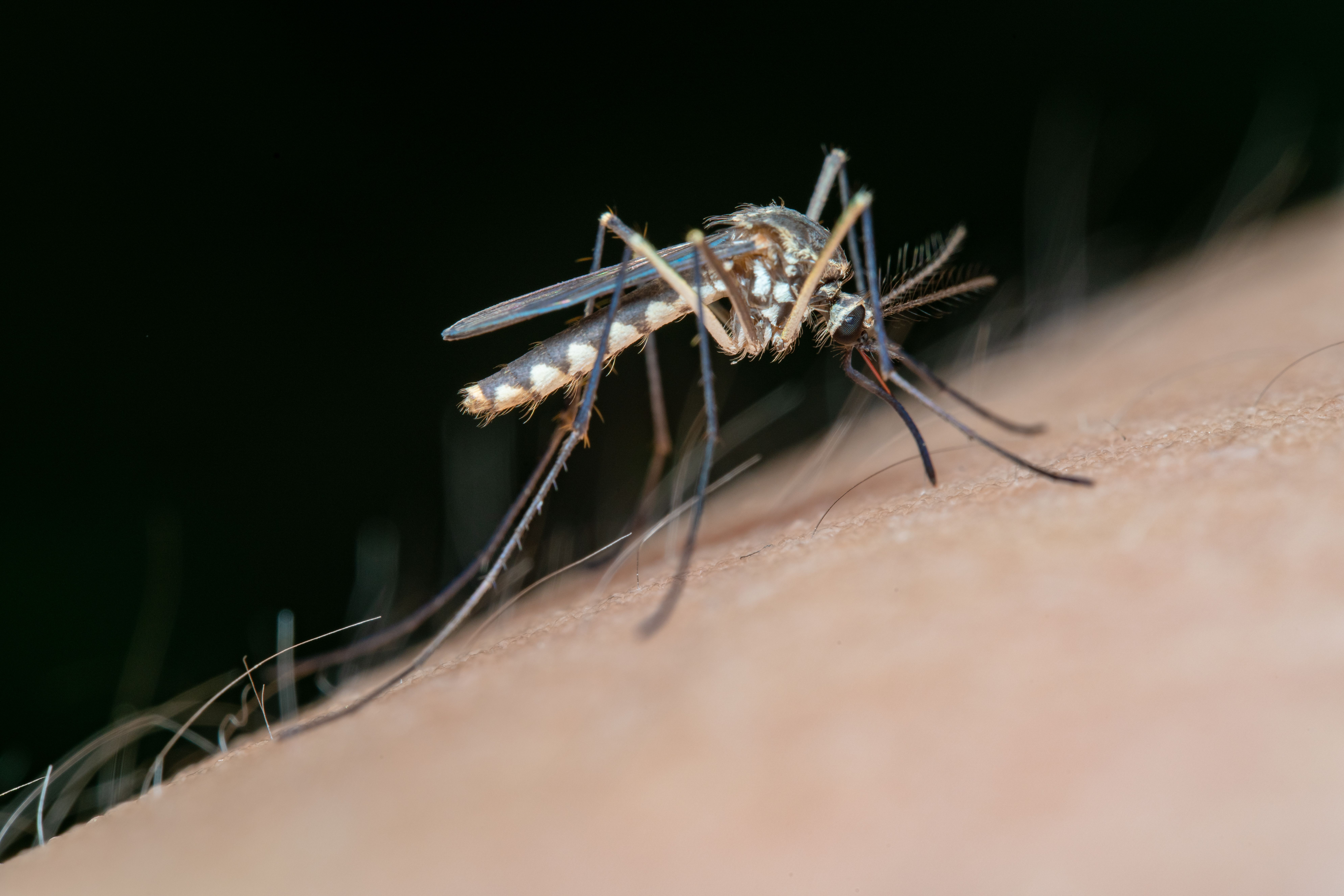
Despite malaria being preventable and treatable, it remains a significant global health threat, with an estimated 249 million cases worldwide in 2022 according to the World Health Organization.
To combat this health threat, numerous prevention strategies were developed including the development of a Malaria vaccine for children under five as a complementary intervention. This intervention has however faced various challenges to its implementation. According to a recent study by a team of researchers from the University of Nairobi, vaccine hesitancy presents a new challenge in Kenya in the fight against malaria.
The study titled, “Factors Associated with Malaria Vaccine Hesitancy Among Caregivers of Children 6-59 Months, In Ugenya Sub County, Siaya County, Kenya,” identified socio-demographic, psychosocial, and health system factors associated with this hesitancy among caregivers.
This hesitancy stems from various factors including personal beliefs, cultural influences, misinformation, and mistrust in health systems.
Key findings from this study indicate that caregivers aged 36-45 years, single caregivers, and those with lower education levels are more likely to exhibit hesitancy. Misinformation, accessibility to healthcare facilities, religious beliefs, and perceptions of vaccine side effects also play a significant role. Even when vaccine supply is stable nationally, logistical issues and poor communication can create perceptions of unreliability, eroding trust creating barriers to vaccination.
Years of underinvestment, the rise of insecticide and drug resistance, and disruptions from events like the COVID-19 pandemic have also hampered Malaria control efforts.
Other substantial challenges in the country, including climate change, inadequate health infrastructure, and population mobility, hinder the implementation of comprehensive control strategies like indoor residual spraying and insecticide-treated nets.
Addressing malaria vaccine hesitancy requires a multifaceted approach. This includes actively countering misinformation through trusted community leaders, ensuring reliable vaccine availability, and strengthening social support networks for vulnerable caregivers. Improving accessibility by addressing geographic and logistical barriers is also crucial.
The study also recommended strengthening local trust networks and enhancing transparent communication so that the country can move towards higher vaccine uptake and achieve its goal of Zero Malaria by 2030.
- Log in to post comments


