
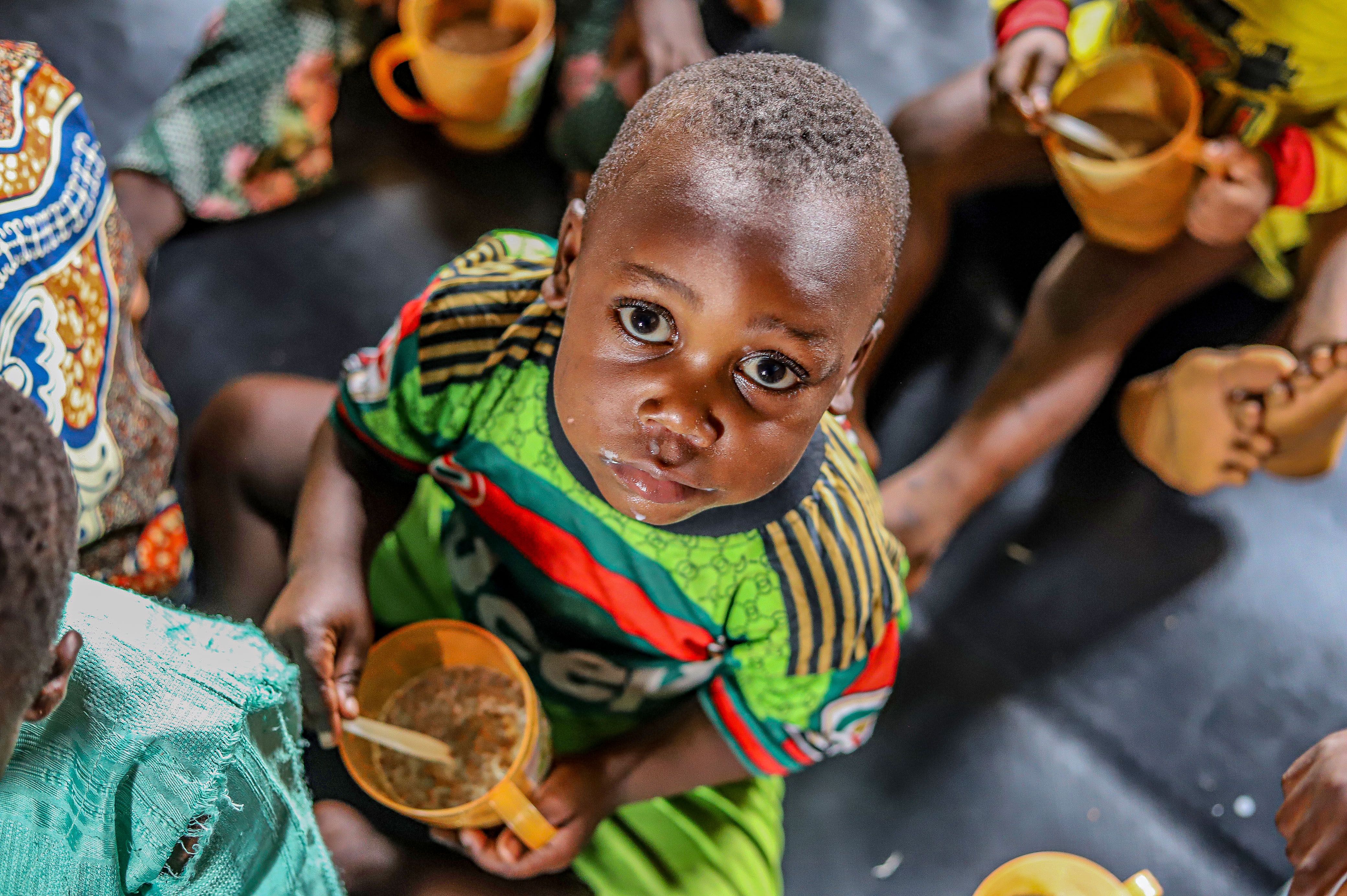
A recent study underscored the need to improve dietary diversity in children in rural arid and semi- arid regions in Kenya to boost nutrition and development in these children.
According to this study undertaken by a team of researchers from the University of Nairobi focusing on dietary diversity, it was found out that undernutrition is affected by underlying factors for example, poverty and the size of the household in arid and semi-arid areas. These drivers coupled heavily with the harsh climate that characterizes these regions such as; the hot and dry climate, low and erratic rainfall patterns, recurrent drought, conflict, influence child undernutrition in these regions.
Other drivers include lack of access to basic services, poor food availability, food insecurity, low levels of formal education, and migration.
According to the World Health Organization (WHO), children less than 5 years of age are the most affected by poor nutrition, including global acute malnutrition.
This study titled “Dietary patterns and predictors of food insecurity and poor diet among children less than 5 years in the arid and semi-arid region of Kenya: A longitudinal study,” suggested integrated, multisectoral approaches that enhance dietary diversity and resilience to combat this issue.
These strategies include adoption of climate-resilient livelihoods for example, small-scale irrigation and farming of drought-tolerant crops like millet and cassava, livestock and milk value-chain strengthening, social protection, and community-based nutrition education.
Deviation from culturally detrimental traditions of mainly feeding infants on animal milk without diversifying their diet was also recommended as this tradition was detrimental to the growth and development of children especially under the age of five in these regions.
According to recent WHO guidelines consuming a diverse diet was highly recommended as it reduces the risk of micronutrient deficiencies and ensures effective absorption of nutrients in the body of young children. This recommended diet includes daily intake of animal source foods, fruits and vegetables, nuts, and seeds to enhance dietary diversity.
Effective collaboration among government agencies, humanitarian organizations, and development partners is also essential for maintaining nutritional progress in these vulnerable regions.
- Log in to post comments


